for schools
TEACHER TRAINING
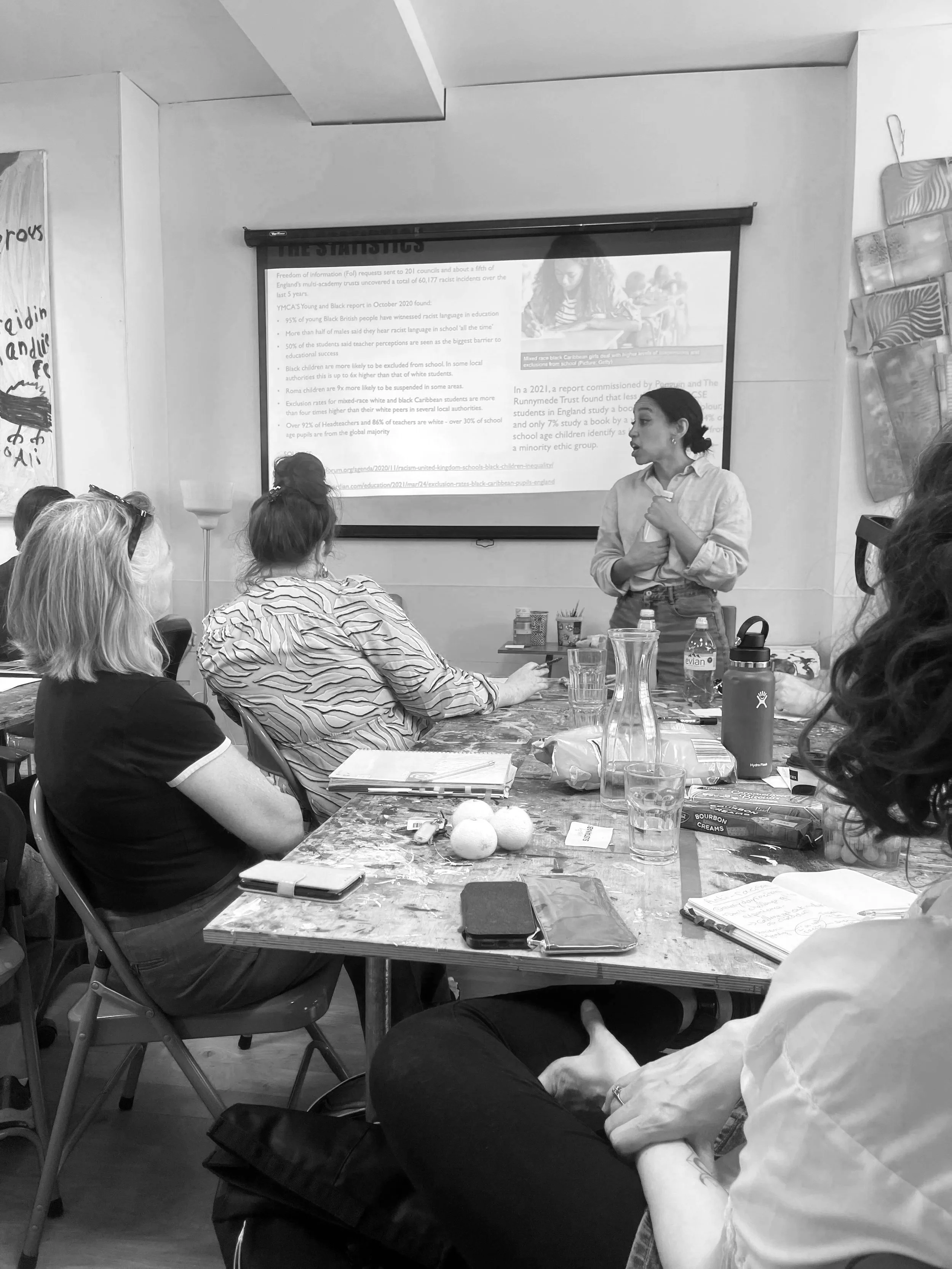
This three-part course is designed to deepen understanding of how racism manifests within educational settings and provide clear, actionable steps for creating meaningful change.
STUDENT WORKSHOPS
These workshops equip students with the knowledge and confidence to understand racism, how it shows up in everyday life, and how to challenge it.
Students will learn how to engage in difficult conversations about race, stand up against racism, and know what to do if they experience or witness it, creating a more inclusive and supportive school environment.
teachers TRAINING
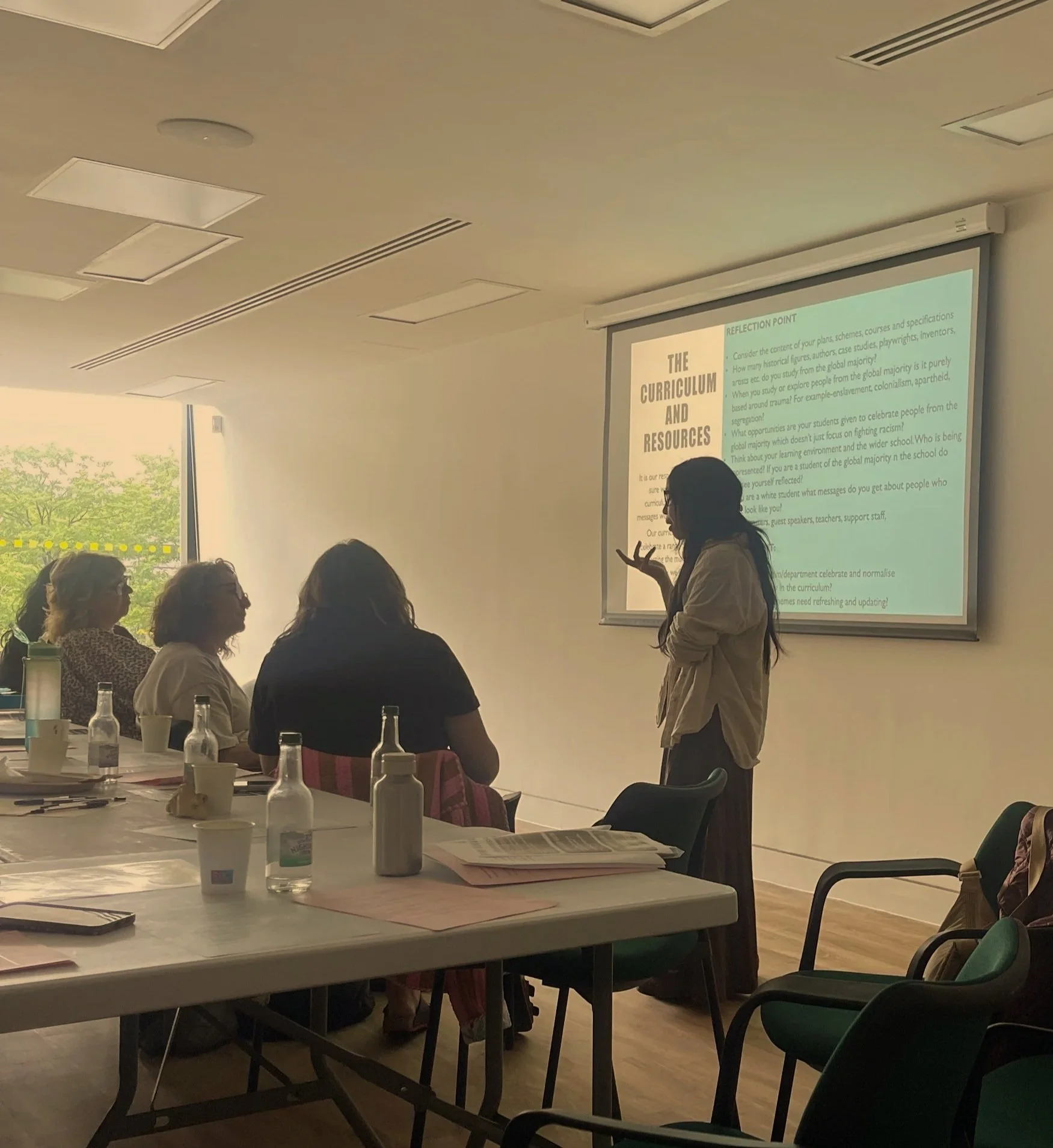
Our teacher training programme is delivered as a three-part course, with each session lasting between 2 and 3 hours. Sessions can be booked individually or as a complete programme.
The programme provides a strong foundation for understanding how historical and systemic inequalities have developed over time, highlighting the vital role educators play in either perpetuating or challenging these inequalities.
It also equips educators with the knowledge and confidence to respond to racist incidents when they occur, support both students and staff, and understand what an inclusive school culture looks like in practice. We explore how schools can create environments where everyone feels welcome, valued and safe.
By examining how racism can be embedded within educational structures and everyday school life, participants gain the insight and practical tools needed to foster safer, more inclusive learning environments. When students feel valued, represented and understood, they are better equipped to thrive both academically and personally.
Topics covered:
“But our school doesn't have a problem with racism”
How does racism manifest in the education system?
Exploring language, microaggressions, internalised racism, gaslighting and policy.
Reviewing our policies and practices.
Steps towards developing an inclusive curriculum.
Resources for departments and inclusion audits.
How do we challenge and respond to racism?
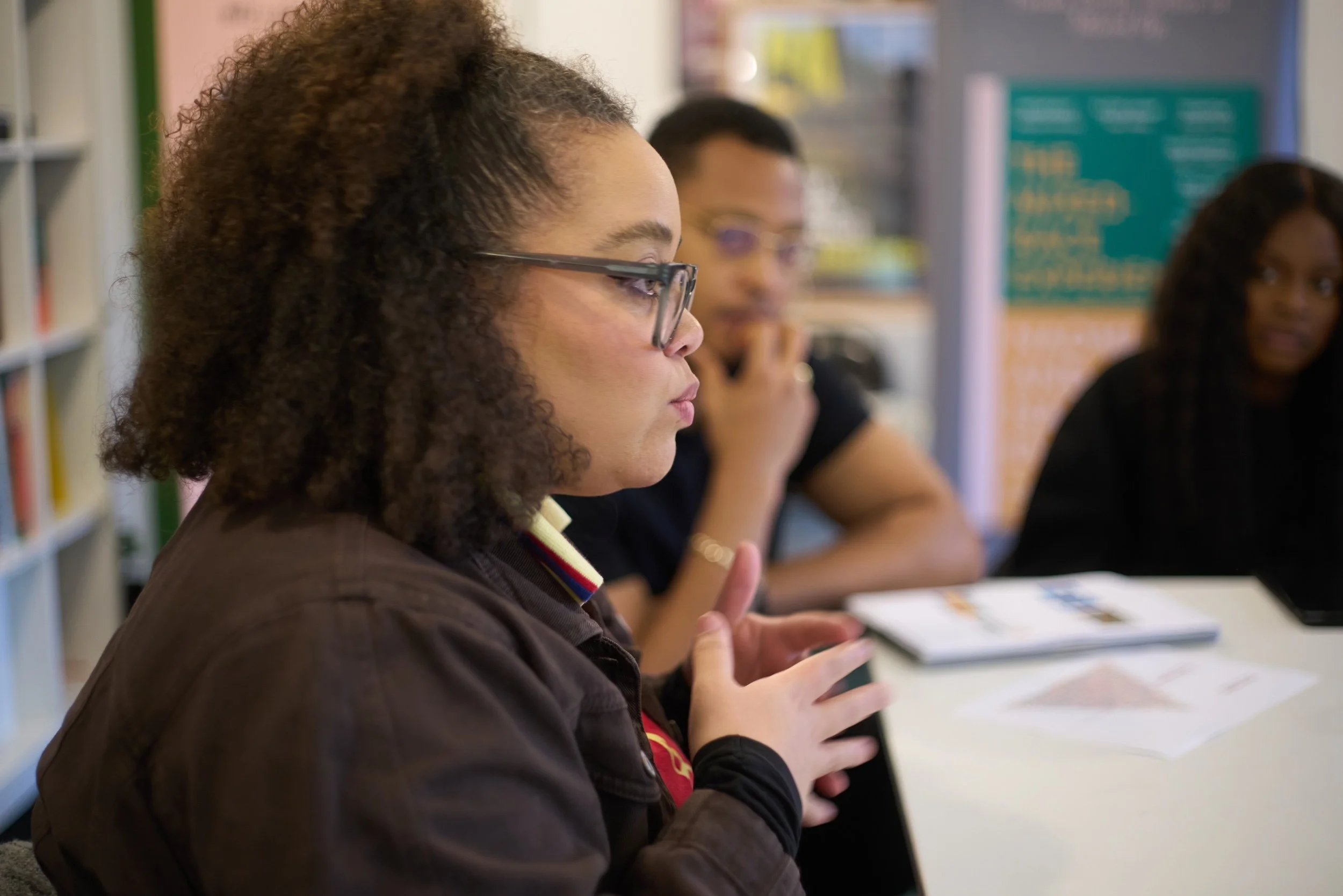
Each session focuses on a different topic. Here's what we cover across the programme:
-
This session provides the foundations for educational practitioners to understand the predominant ways in which racism can be perpetuated within society and educational institutions.
In order for students to feel safe and thrive in our environments they must feel valued and represented.
This course will help you to individually reflect on your role in ensuring anti-racist practice in the classroom and provide you with the knowledge and tools to move forward as a team benefiting everyone in your school community.
-
This session provides practical steps to reviewing and developing your curriculum – helping you to model wide ranging representation and parallel present and historical narratives.
Traditional models of the curriculum have often excluded marginalised groups and created a hierarchy of intellectual thought and ideas.
Our learning schemes needs to reflect the wide demographic of our students and promote diversity of thought in order to encourage an inclusive environment.
-
This session provides strategies for managing topics in the classroom which can be harder to navigate as well as ensuring safe spaces are created to protect marginalised students.
Holding space for challenging conversations and discussions can be difficult to facilitate although essential for both staff and students to move forward in their inclusion work.
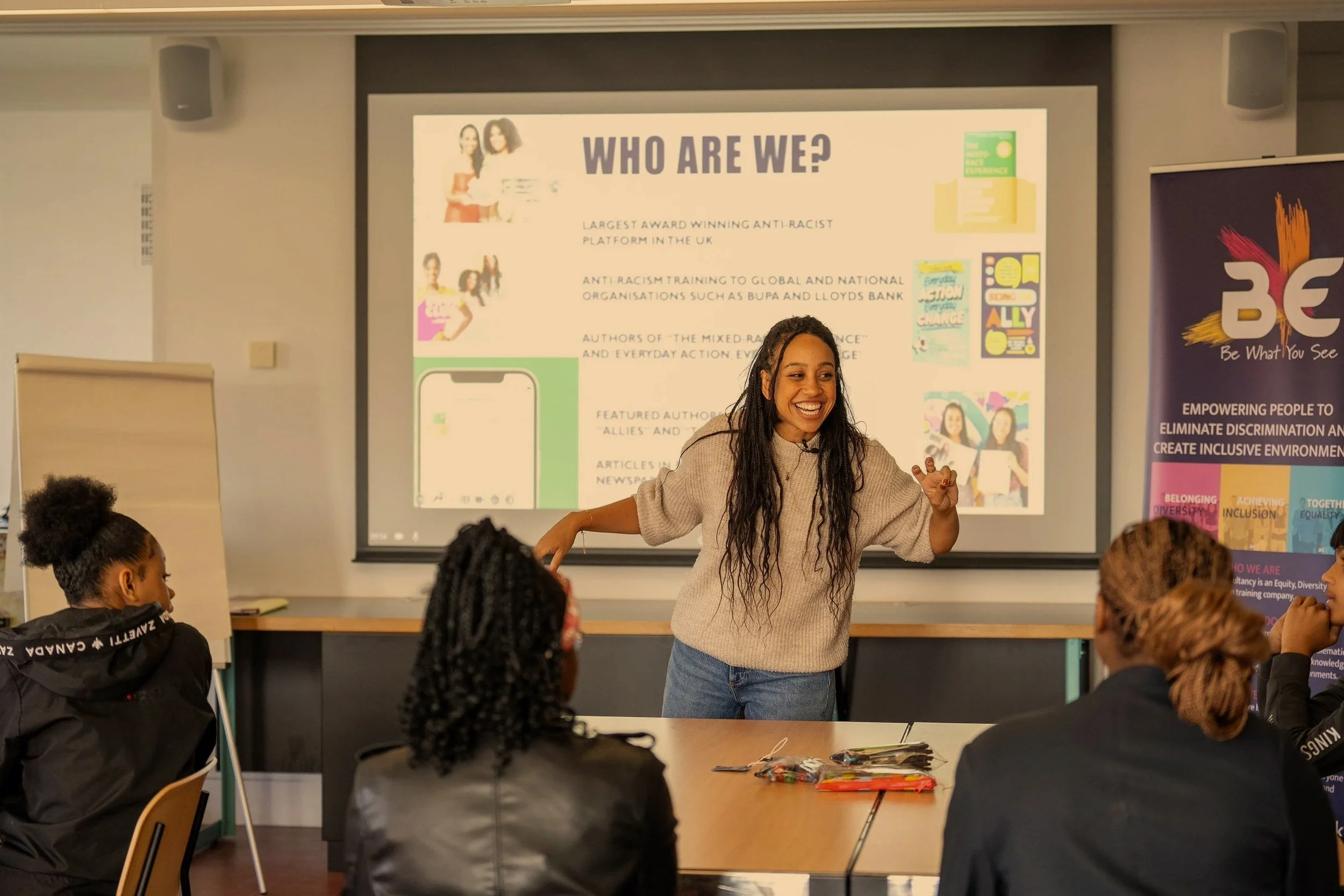
STUDENT WORKSHOPS
We believe education is key to understanding racism, and this is just as important for children and young people. No one is too young to learn about racism, fairness and equality, and many children will already have encountered racist language or behaviour.
Being an anti-racist school is about being proactive rather than reactive. By giving young people the knowledge and tools to understand and challenge racism, schools can help create a culture where everyone feels safe, respected and included.
We have designed age-appropriate workshops and assemblies for pupils in Key Stage 2 (KS2) and above. These sessions equip students with the knowledge and confidence to understand racism, recognise how it shows up in everyday life, and learn how to challenge it.
Students will explore how to engage in difficult conversations about race, stand up against racism, and understand what to do if they experience or witness it. Our aim is to empower young people to become active participants in creating a more inclusive and supportive school environment.
Topics covered:
What is race?
What is racism and how does it show up?
The difference between race, ethnicity and culture
Language around race
Microaggressions
Stereotypes
Effective allyship
STUDENT SESSIONS
Workshops
-
More Than What We See – An introduction to racism and fairness
An introduction to race, fairness and our differences. Students explore stereotypes, how we see others and why treating everyone with fairness and respect matters.
Everyday Racism – How we recognise racism in our school community and speak out.
Students learn to recognise racism, racist language and unfair treatment. Through age-appropriate activities, they explore the impact of racism and how they can speak out and help create a more inclusive school.
-
Everyday Racism – How we recognise racism in our school community and speak out
Students explore how racism appears in everyday language, behaviour and interactions. They learn to recognise stereotypes and microaggressions and develop practical ways to challenge racism and support others.
Changemakers
What does it mean to be a changemaker? Students explore allyship, challenge inequality and discover how they can take positive action to make their school and wider community more inclusive.
-
Everyday Racism – How we recognise racism in our school community and speak out
Students examine how racism operates in everyday life, from language and stereotypes to wider social structures. They develop the confidence to challenge racist behaviour and support those affected.
The Real Consequences of Racism – Understanding the reality of racism and building confidence to stand up against it.
Students explore the impact of racism on individuals and communities, developing a deeper understanding of its consequences and the confidence to challenge it when they see it.
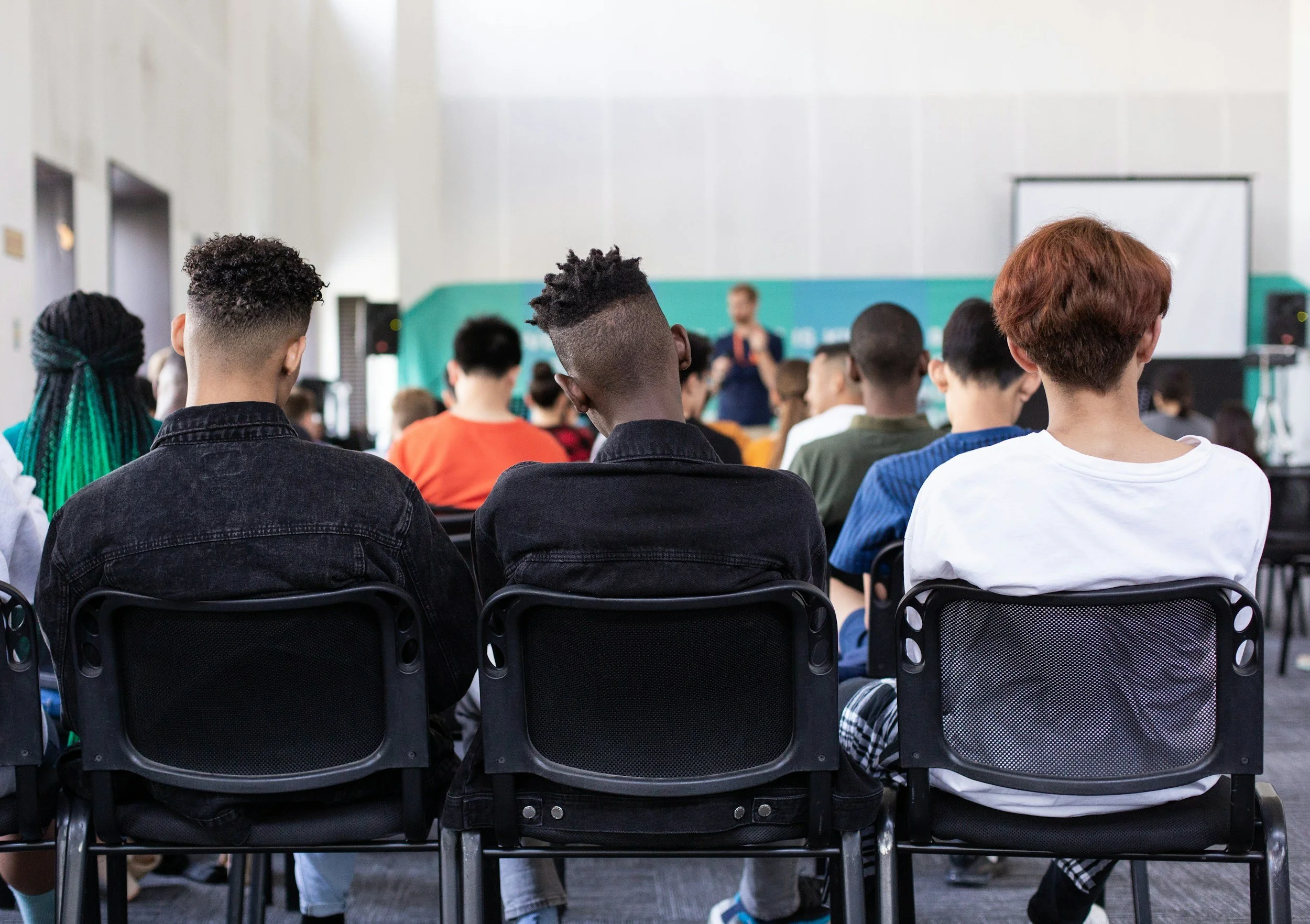
ASSEMBLIES
Everyday Racism – How we recognise racism and speak out
An engaging assembly exploring how racism appears in everyday life, why it matters and how students can challenge it.
The session encourages everyone to help create a school where all pupils feel safe, respected and included.
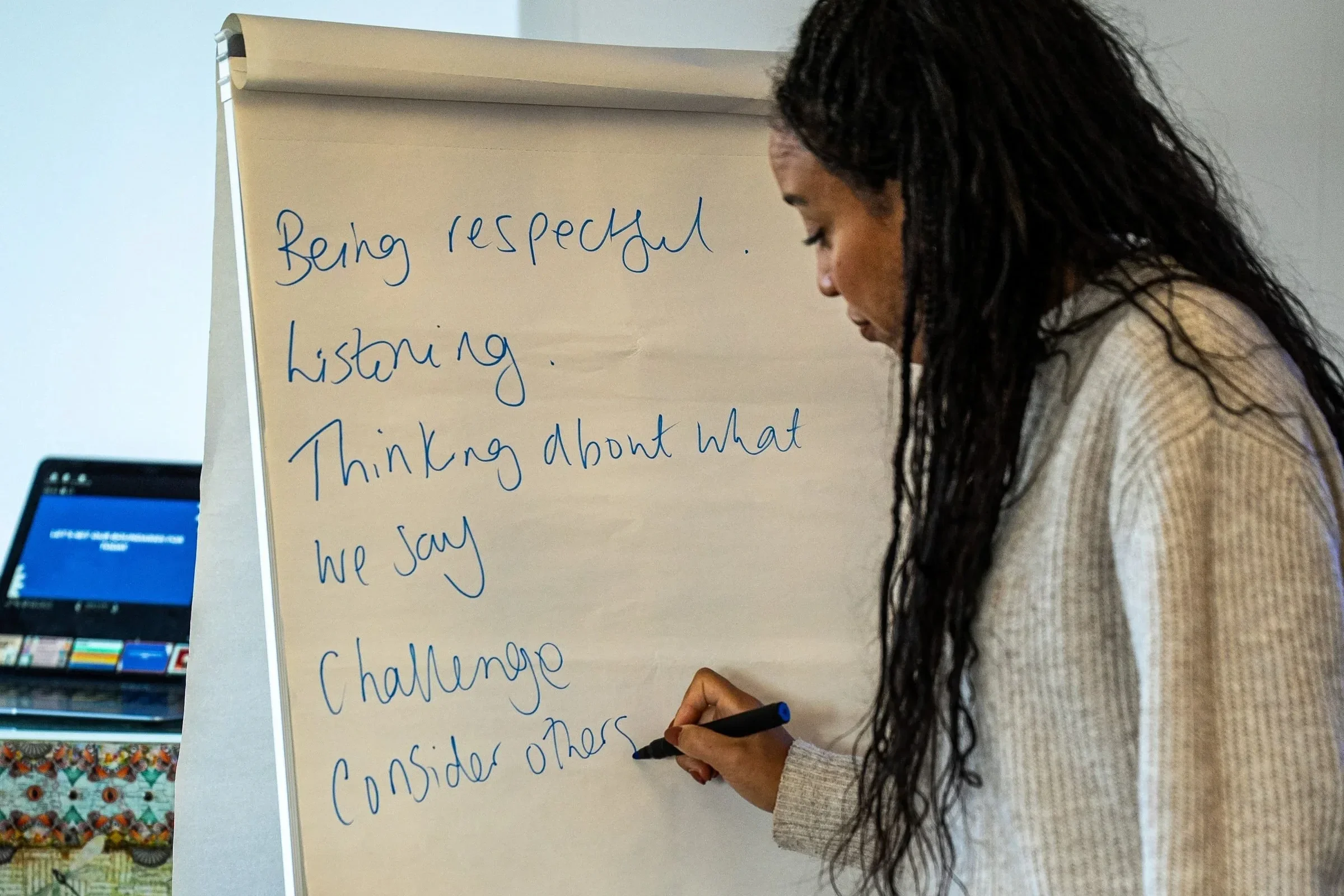
Measuring Progress and Creating Lasting Change
Training and education are important starting points, but meaningful change also means understanding what happens afterwards.
We offer measurement and evaluation work to help schools understand their starting point, identify areas for development and assess progress over time. This can help schools explore how confident students and staff feel recognising and challenging racism, how safe and included they feel, and how effectively the school responds when concerns are raised.
Depending on the school's needs, this work can help identify gaps between school policies, stated values and the experiences of students and staff.
Our aim is to help schools move beyond awareness towards meaningful action, using evidence and reflection to inform future development and support a more inclusive, anti-racist school culture.