
Our courses
TEACHER TRAINING
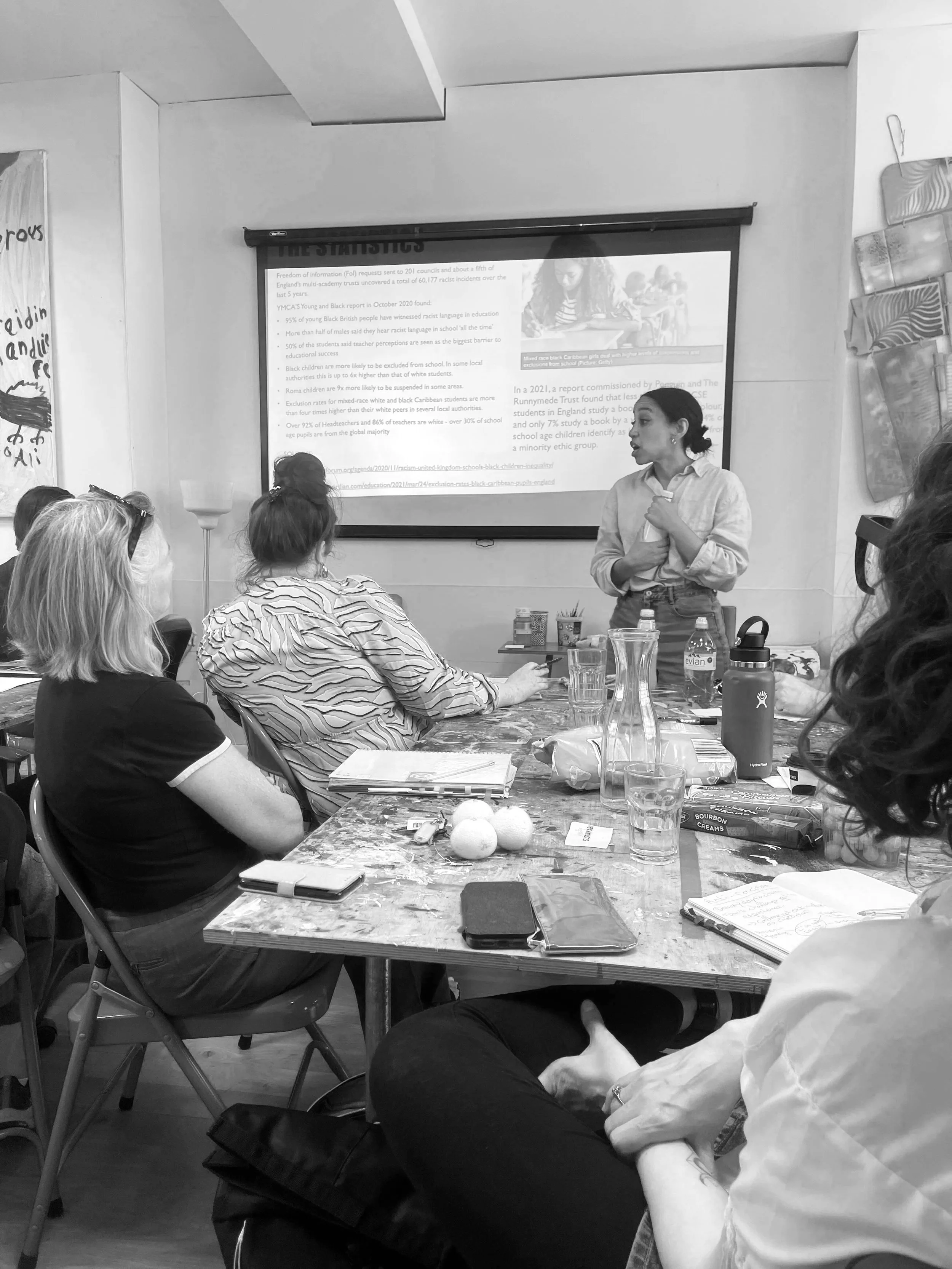
This three-part course is designed to deepen understanding of how racism manifests within educational settings and provide clear, actionable steps for creating meaningful change.
Corporate & WORkplace training
STUDENT WORKSHOPS
Anti-racism training for your workplace. We understand that everyone will be in different stages on their anti-racism journey and may not have even started at all.
Our courses can be tailored made to meet the needs of all within the public, private or third sector..
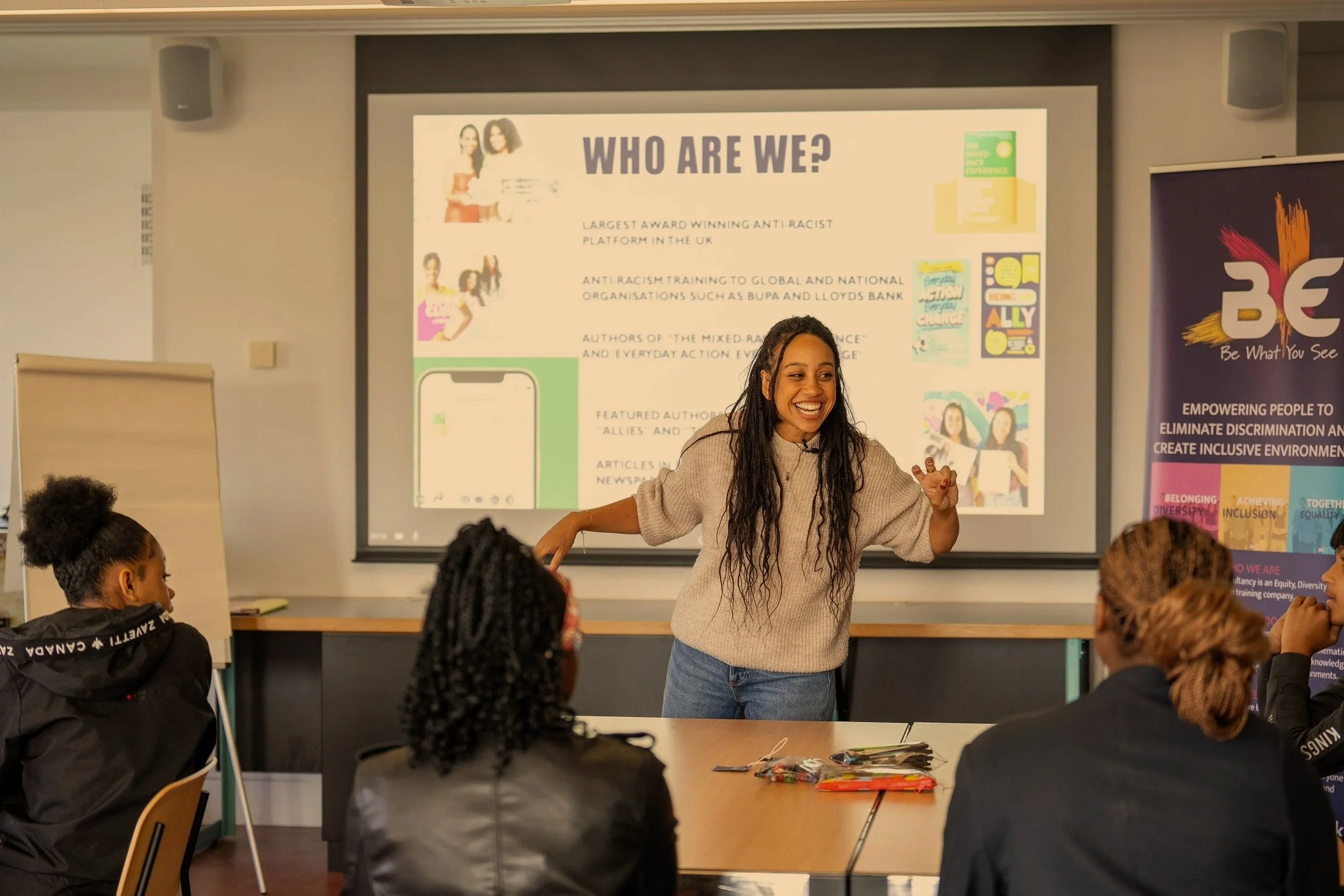
These workshops equip students with the knowledge and confidence to understand racism, how it shows up in everyday life, and how to challenge it.
Students will learn how to engage in difficult conversations about race, stand up against racism, and know what to do if they experience or witness it, creating a more inclusive and supportive school environment.
teachers TRAINING
The programme offers a strong foundational knowledge of how historical and systemic disparities have developed over time, and highlights the vital role educators play in either perpetuating or challenging these inequalities.
By exploring how racism can be embedded within current educational structures, participants gain the insight needed to foster safer, more inclusive learning environments. When students feel valued, represented, and understood, they are better equipped to thrive both academically and personally.
What do we understand by racism in today?
“But our school doesn’t have a problem with racism”
How does racism manifest in the education system?
Exploring Language, Microaggressions, Internalised Racism, Gaslighting and Policy.
Reviewing our policy and practice
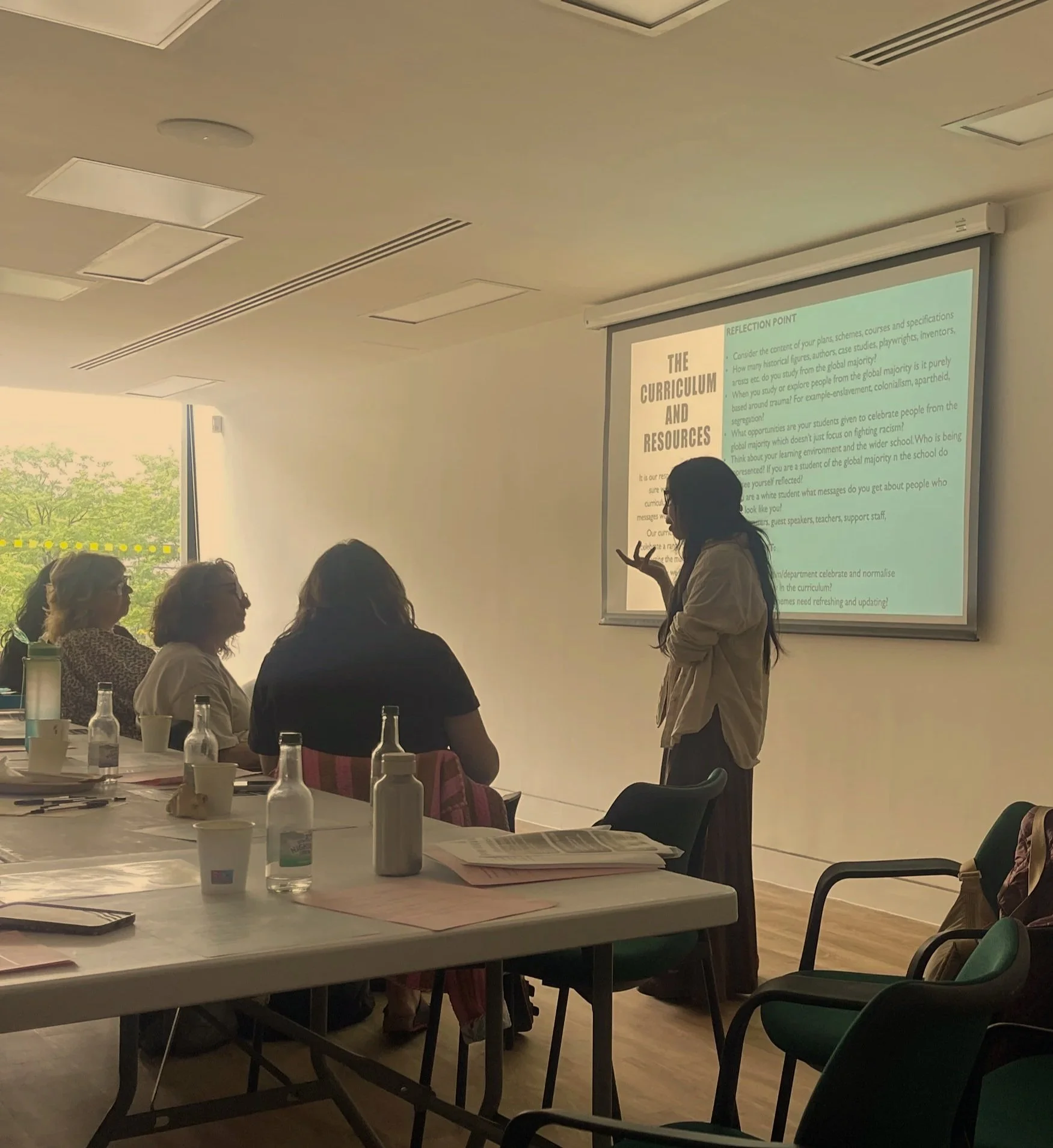
Steps to developing an inclusive curriculum
Resources for departments and inclusion audits
As part of the course we’ll cover the following:
-
This session provides the foundations for educational practitioners to understand the predominant ways in which racism can be perpetuated within society and educational institutions.
In order for students to feel safe and thrive in our environments they must feel valued and represented.
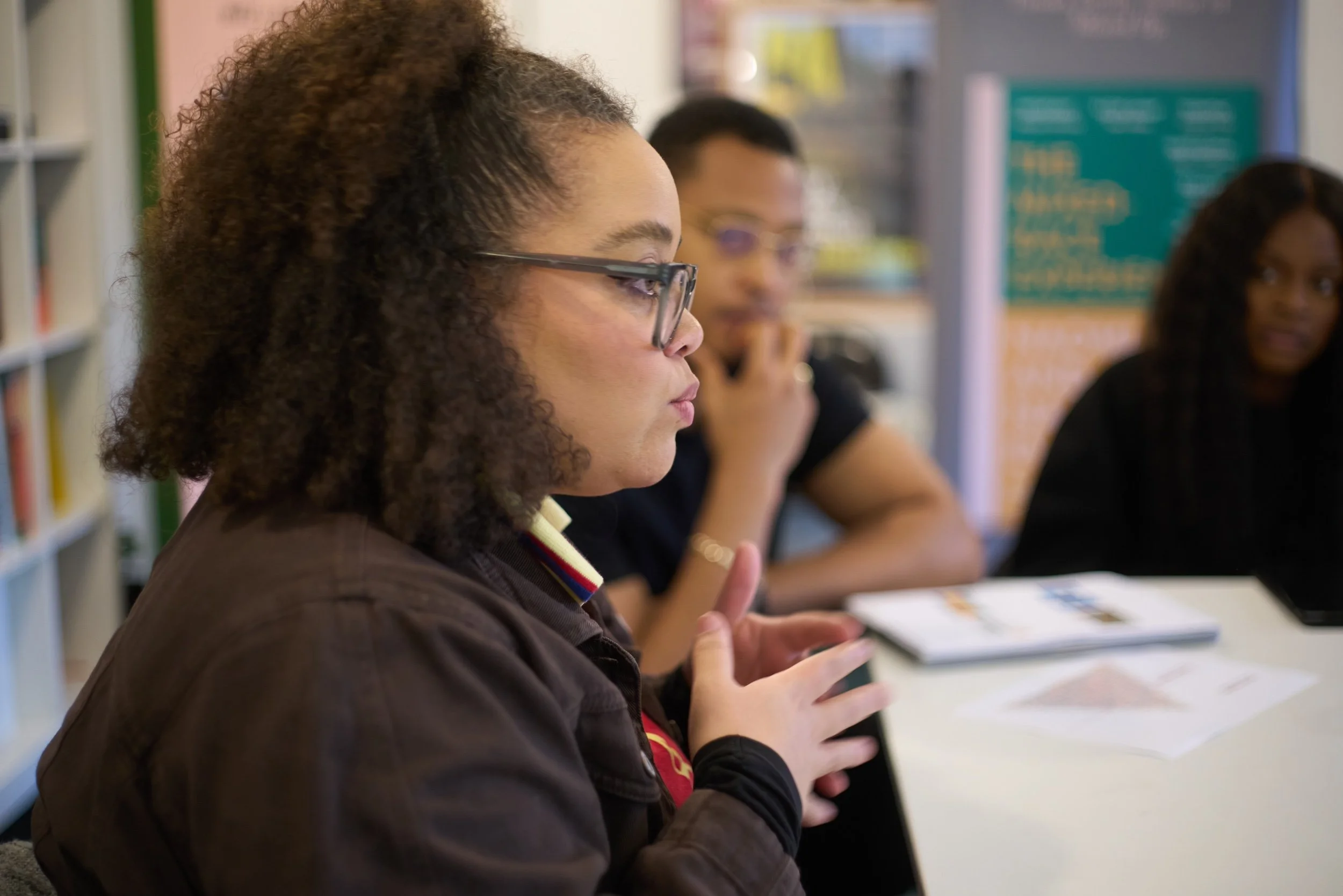
This course will help you to individually reflect on your role in ensuring anti-racist practice in the classroom and provide you with the knowledge and tools to move forward as a team benefiting everyone in your school community.
-
This session provides practical steps to reviewing and developing your curriculum – helping you to model wide ranging representation and parallel present and historical narratives.
Traditional models of the curriculum have often excluded marginalised groups and created a hierarchy of intellectual thought and ideas.
Our learning schemes needs to reflect the wide demographic of our students and promote diversity of thought in order to encourage an inclusive environment.
-
This session provides strategies for managing topics in the classroom which can be harder to navigate as well as ensuring safe spaces are created to protect marginalised students.
Holding space for challenging conversations and discussions can be difficult to facilitate although essential for both staff and students to move forward in their inclusion work.
STUDENT WORKSHOPS
These workshops equip students with the knowledge and confidence to understand racism, how it shows up in everyday life, and how to challenge it. Students will learn how to engage in difficult conversations about race, stand up against racism, and know what to do if they experience or witness it, creating a more inclusive and supportive school environment.
What is race?
What is racism and how does it show up?
The difference between race, ethnicity, and culture
Language around race
Microaggressions
Stereotypes
Effective allyship
work place training
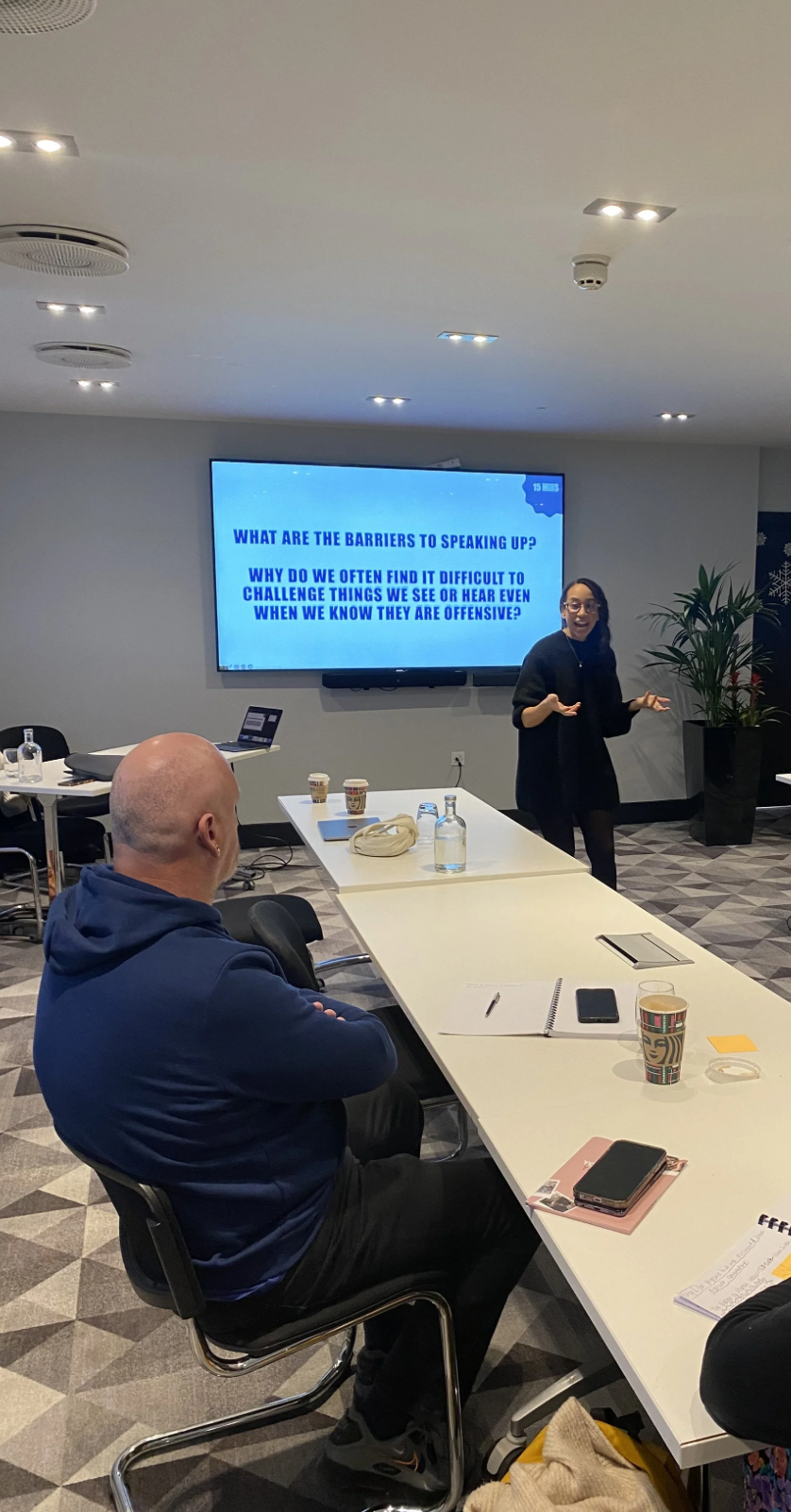
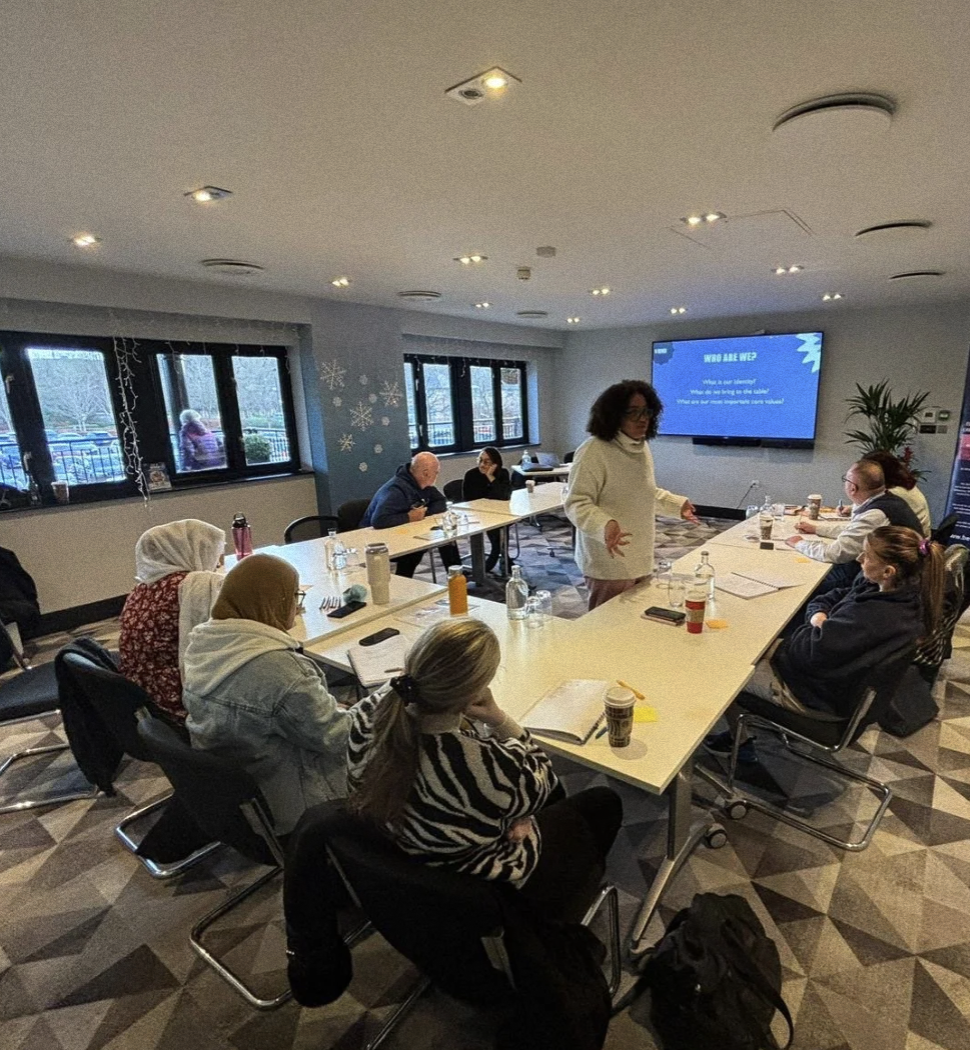
The Anti-Racist School is also delivered in the workplace. We explore how systemic racism shows up at work and offer three core sessions: An Introduction to Anti-Racism, Influencing Your Sphere and Recharge and Reclaim. We recognise that people will be at different stages of their anti-racism journey and some may be at the very beginning.
Our courses can be tailored to meet the needs of organisations across the public, private and third sectors. We have delivered corporate training to over 100 organisations including BUPA, LEGO, The National Trust, GSK, Diageo, Coutts, MIMA, and many more.
Workplace courses we offer:
-
This is a starter course for anyone who either has no idea about anti-racism, doesn’t associate themselves with being racist or those who have just started to educate themselves. Here we look at understanding racism and what an anti-racism practice is.
We go through topic such as, The history of race, the 4 dimensions of racism, terminology including – white privilege, micro-aggressions, intersectionality and racial gaslighting. As well as allyship and what's next.
Outcomes of the session:
✅ An understanding of why tackling racism is the not the responsibility of Black people and People of Colour.
✅ An explanation of language associated with racism.
✅ Support in how to continue the anti-racism journey.
✅ Increased confidence in standing up against racism..
-
This is for those who have been learning and educating themselves on being anti-racist and want to put their learning into action. The course is suitable for people who have done an intro to anti-racism course.Here we will look at the importance of showing up, allyship and intersectionality, being an inactive and active bystander, influencing your sphere and how to implement real change.
Outcomes of the session:
✅ An understanding of how racism shows up for people every day.
✅ An understanding of how to influence your sphere and make lasting change in the world around you.
✅ What actions can be taken in daily life to be a proactive ally rather than a bystander
✅ Increased confidence in standing up against racism
✅ Practical ways of living an anti-racist life.
-
Recharge & Reclaim: Prioritising Self-Care for Black Employees is a transformative workshop designed to empower and uplift Black professionals.
This workshop delves into the importance of self-care and empowerment within both personal and professional spaces.
Participants will embark on a journey of self-discovery and growth.
Through interactive activities and thoughtful discussions, you'll gain insights into the significance of prioritising self-care, reclaiming your power, and fostering positivity even in the face of everyday challenges and racism.
student ambassador programme
New for 2026!
Creating a network of student leaders committed to promoting inclusion, equity, and anti-racism within the school community.
Our Student Ambassadors Programme is built around empowering young people and fostering a learning community where diversity is celebrated, racism is challenged, and every pupil feels safe, valued, and represented.
Ambassadors receive the skills, confidence, and space to develop anti-racist initiatives within their peer groups and the wider school community. They take part in workshops and discussion circles and work closely with staff to identify areas for improvement and opportunities for proactive allyship.
This cohort brings together students from across all key stages, who participate in breakout sessions throughout the academic year.